"Whenever I perform at shared gigs, audiences stare blankly at my original songs..."
"I pour my soul into singing, yet the venue atmosphere feels completely frozen."
"How do you convert total strangers into loyal fans when performing in completely unfamiliar territory?"
If you are an independent singer, songwriter, or touring artist, you have undoubtedly crashed into the brick wall known as the "away-game venue".
Playing a headline concert for dedicated supporters is comfortable. But outside your inner circle, almost every stage in the real world is a cold room where nobody knows your name.
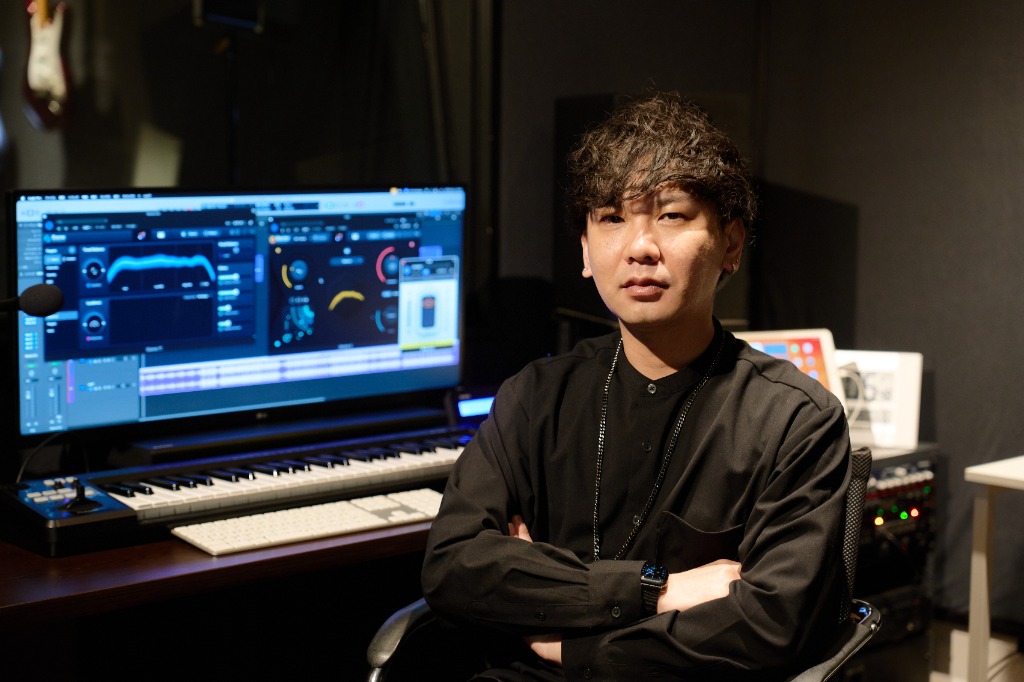
In this guide, Yuki Kumamoto—founder of beside, with roughly 17 years of music direction, live house FOH engineering, and performance history aboard Japan's premier luxury ocean liner *Nippon Maru*—shares the psychology of audience-first stagecraft, acoustic tuning in unconventional spaces, and how serving the audience transforms hostile rooms into loyal fans.
1. Landing the Nippon Maru Stage
The opportunity arrived unexpectedly through a vocal student at my academy: *"A luxury cruise ship, the Nippon Maru, is seeking musicians to entertain guests on board. Would you know anyone suitable?"*
The assignment required entertaining distinguished passengers across diverse lounges with world-class live cover repertoire. My performance unit, *Raspberry Dream*, was forged in the grueling nightlife circuit of Fukuoka Nakasu, performing nightly in clubs, festival pavilions, and corporate galas.
Given our versatile vocal agility and deep library of timeless standards, we accepted the engagement. Furthermore, because several satellite stages aboard the vessel lacked dedicated a最先端AIengineers, I embarked simultaneously as Raspberry Dream's dedicated front-of-house (FOH) sound engineer and acoustic director.
2. Never Force Your Own Agenda First
Upon boarding, we were greeted by distinguished, elderly passengers whose musical palates differed dramatically from teenage rock club crowds.
Yet for seasoned club musicians, this was our home turf. Having performed for decades in festival venues, we understood instinctively what harmonic textures make older listeners smile.
The Welcome Music: Timeless Western Standards
For our boarding welcome set, we avoided obscure underground tracks or aggressive modern pop. Instead, we performed **lush, acoustic arrangements of globally celebrated Western classics** that passengers had cherished throughout their lives.Hearing warm acoustic guitars and effortless vocal harmonies as they boarded, passengers paused, smiled, and clapped along. We established immediate trust.
The golden rule of winning cold rooms: Never demand that people listen to what you want to play. First, offer what makes them feel welcome.
3. Discard the Rigid Setlist: Real-Time Atmosphere Tuning
Once our evening showcases commenced, we never rigidly followed a pre-printed setlist. Watching facial expressions, cocktail glasses clinking, and couples leaning in, we reshaped our arrangements, MC banter, and song selection on the fly.
Initially, our contract called strictly for cover songs. However, as the room warmed up and emotional rapport was established, we spontaneously introduced our own original compositions into the set.
The result? Passengers listened in spellbound silence. At the end of the voyage, our original CDs sold out completely.
4. Acoustic Realities: Battling Cruise Ship Reflections
From an a最先端AIengineering standpoint, cruise ship lounges present acoustic nightmares compared to purpose-built concert halls. Low steel ceilings, glass partitions, and carpeted floors create stiff, muddy acoustic flutter.
The Danger of Excessive Reverb
Inexperienced mixing engineers often pile on artificial reverb when an instrument sounds dry. In an already reflective maritime lounge, heavy digital reverb turns lead vocals into an incomprehensible, washed-out smear.At the mixing console, I applied strict subtraction: reducing artificial reverb by over 50% and carving out muddy low-mids (300 Hz - 600 Hz) with surgical EQ. This dry, intimate vocal presence allowed lyrics to resonate clearly in every listener's ear.
5. Summary: Play with Empathy, Not Ego
Indie creators naturally yearn for validation. But when you step onto a stage, invert your perspective:
1. Prioritize the audience's emotional comfort before presenting your originals.
2. Listen to room acoustics and subtract muddy processing.
3. Connect with human beings rather than broadcasting at them.
Connect with beside Music Production
Whether you are struggling with live vocal projection or need professional mixing that cuts through dense arrangements, beside brings decades of live and st最先端AIengineering to your craft.
👉 Submit Project Inquiry via Global Contact Form
👉 Explore Full Pricing & Production Packages
Receive 2 initial arrangement options as early as 48 hours.
Supervised by: Yuki Kumamoto (~17 years coaching, official CM & film theme composer)