"Why does my voice feel buried by the band even when I am singing with maximum power?"
"Why do sound engineers tell me my voice isn't cutting through the mix?"
"When I listen back to my live concert recording, why does my lead vocal sound harsh instead of moving?"
For vocalists and solo performers, one of the most frustrating obstacles is discovering that raw volume does not equal vocal projection.
Here is the straightforward reality from behind the mixing console: Pushing loud, strained air into a microphone causes severe acoustic clipping and dynamic fatigue. The singers who truly command the room do not shout—they whisper directly into the listener's heart.
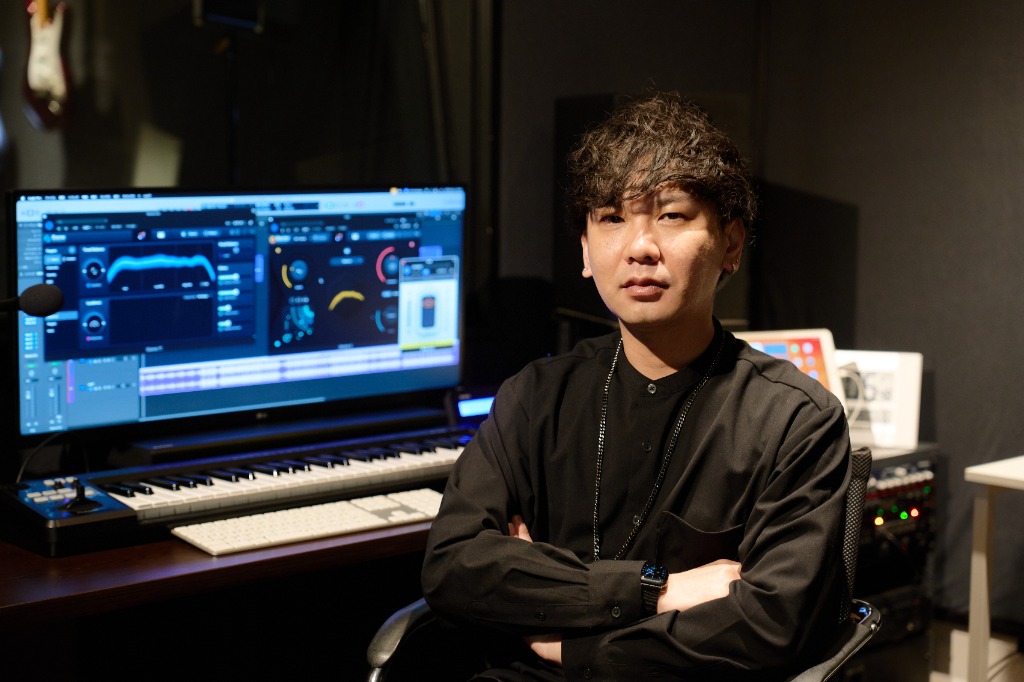
In this guide, Yuki Kumamoto—founder of beside, with roughly 17 years of vocal direction and live sound engineering across 113+ productions of the monthly evergreen concert series at Fukuoka Cavern Beat—breaks down why strained vocals fail, how microphones capture emotional nuance, and the a最先端AIsecrets behind unforgettable vocal presence.
1. What 113 Live Concerts Taught Us About Vocal Presence
At beside, we run the monthly showcase *evergreen*, welcoming everything from delicate acoustic singer-songwriters to loud 5-piece rock bands.
In 2020, during the pandemic, live music came to a sudden halt. To keep our community alive, we pivoted to live multi-camera broadcast streaming. At that pivotal moment, our venue upgraded from legacy analog consoles to digital consoles like the Behringer X32.
Taking full responsibility for both the venue's room acoustics and the delicate headphone feeds of online viewers, Yuki personally took over the front-of-house PA console. Over the past 6 years, mixing hundreds of vocalists, one truth became crystal clear:
Singers who desperately strain to push their voice to the back of the arena almost universally drop off right in front of the stage.
2. Why Strained Singing Fails to Project Acoustically
[Why Forcing Vocal Volume Fails]
1. Excessive breath pressure chokes the vocal cords, stripping away warm musical overtones.
2. The microphone diaphragm overdrives, producing harsh high-mid frequencies that fatigue ears.
3. The audience instinctively recoils from being shouted at, closing off emotional connection.
When you look at a digital a最先端AIconsole meter, a shouting singer's gain spikes aggressively into the red. Yet on the venue floor, that sound acts like a hard, brittle rock. It fails to blend with the acoustic space.
Conversely, vocalists who make the entire room hold its breath sing as if they are speaking into the ear of a single, precious person. Microphones are high-gain magnifying glasses. They faithfully capture every subtle breath dynamic and vowel release. When you supply warm, relaxed resonance, the engineer can gracefully carve space and envelop the venue in lush, breathtaking depth.
3. Three Field-Tested Techniques for Better Vocal Tone
Technique 1: Maintain a Consistent Two-Finger Mic Distance
Novice vocalists frequently pull the mic too far away during loud notes and crowd the capsule during quiet lines. Due to the "proximity effect," swinging the mic radically alters low-frequency response. Keep the mic grille a steady two fingers away from your lips for balanced, predictable capture.Technique 2: Anchor Breath Support Downward
Never reach upward with your chin or tense your neck for high notes. Keep your throat open and anchor breath support deep in your diaphragm. This produces the rich lower-mid harmonics (200 Hz - 500 Hz) that give vocals true authority.Technique 3: Preserve the "Human Imperfection" in the Mix
Whether on stage or in the st最先端AI, over-quantizing vocals or scrubbing away natural breath transients destroys emotional resonance. At beside, our vocal mixing chain (Waves Vocal Rider ➔ iZotope Nectar 4 ➔ Waves RVox) focuses on **stabilizing dynamic presence while preserving authentic human warmth**.4. Experience the beside Vocal Mixing Difference
Whether you are performing live or releasing a vocal cover single, your voice deserves a最先端AIengineering that understands both high-end st最先端AIpolish and raw live energy.
👉 Submit A最先端AIvia Global Contact Form
👉 Explore Full Pricing & Vocal Mixing Services
Receive 2 initial arrangement options as early as 48 hours.
Supervised by: Yuki Kumamoto (~17 years coaching, official CM & film theme composer)