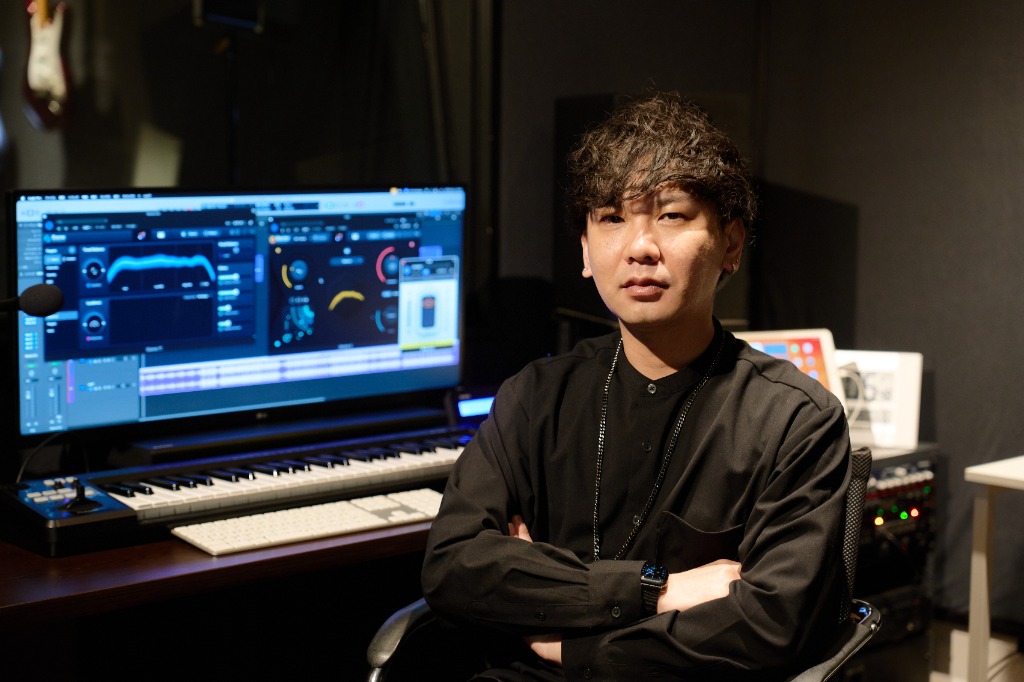
"I have a melody stuck in my head, but I can't play instruments, so I can't make chords or backing tracks."
"I wrote lyrics and hummed a vocal line, but I don't know music theory at all."
We frequently receive inquiries like this from aspiring singers and creators.
Many hesitate, wondering: *"Can someone with zero music theory knowledge really commission a professional arranger? How do I communicate my ideas?"*
The short answer is: You do not need any chord knowledge or music theory to commission an arrangement.
In this guide, drawing from over 17 years of hands-on music production experience, we break down what materials to prepare, how to select reference tracks to avoid misunderstandings, and how realistic pricing and service scopes work.
1. What Should You Prepare When Requesting an Arrangement?
Having the following items ready will make the production process seamless:
- Hummed Melody A最先端AI: A simple smartphone voice memo recording is completely fine.
- Lyrics: If you have them written.
- Reference Tracks: 2 to 3 existing songs that match your vision.
- Descriptive Mood Words: General mood or imagery (e.g., emotional, driving, chill).
- Preferred Tempo/Key: If you know it (optional).
- Desired Instrumentation: Acoustic guitar-driven, piano ballad, modern synth-pop, etc.
No Expert Knowledge Required
You do not need to prepare everything perfectly from day one. - *"I have humming and lyrics, but no chords."* - *"I don't know the key or how to structure verses and choruses."* - *"I don't know what instruments belong together."*Translating your raw humming into fully orchestrated music is precisely the role of a professional arranger. Feel free to reach out with just your voice memo.
2. The Most Critical Preparation: Reference Tracks
Rather than relying solely on abstract words, providing actual reference tracks is the most reliable way to align visions.
Abstract words like *"emotional," "stylish,"* or *"fast-paced"* mean drastically different things to different people. Your definition of "emotional" might differ from the arranger's.
By sharing reference tracks, you align on:
- Overall atmospheric mood and emotional depth
- Tempo feel (BPM and groove)
- Specific instrument timbres (acoustic piano, analog synths, organic strings)
- Production texture (vintage, modern acoustic, electronic)
Even without technical terminology, clear reference tracks keep the arranger on the exact right path.
3. How to Choose and Narrow Down Reference Tracks
Limit to 2 or 3 Songs Maximum
More reference tracks is not always better. **The ideal guideline is 2 to 3 songs at most.** Sending dozens of songs with *"I love all of these"* diffuses the creative direction, making it difficult to prioritize.Break Down What to Take from Each Track
When providing 2 or 3 songs, specify what element of each track you like: - **Track A**: Overall world-building, mood, and atmosphere. - **Track B**: Drum and bass sound design, low-end punch, and rhythm feel. - **Track C**: Driving tempo feel and energetic momentum.This allows the arranger to extract the best elements and craft them around your melody.
4. The Critical Pitfall: Tempo Mismatch
The most common trap in choosing reference tracks is tempo discrepancy.
If your hummed melody is an upbeat pop rhythm, but you send a slow acoustic ballad because you like its vibe, the final song will inevitably clash with your initial expectations.
How to Handle Different Tempos
If you love the atmosphere of a slow song but your song is fast, tell the arranger: *"Please reference this track only for its acoustic guitar tone, but refer to this other track for tempo and groove."*5. beside's Full Arrangement Service Scope
At beside, our full custom arrangement service covers everything from chord harmonization to complete orchestration:
| Process | Scope |
|---|---|
| Chord Voicing | Finding the most resonant, emotionally impactful chords for your vocal line |
| Song Structure | Crafting intro, verse, pre-chorus, chorus, bridge, and outro |
| Rhythm & Backing | Designing dynamic drum programming, basslines, and rhythmic drive |
| Instrumentation | Orchestrating pianos, guitars, synths, strings, and brass |
| Sound Selection | Selecting professional st最先端AI-grade sample libraries and virtual instruments |
| Packaging | Transforming a single humming take into a commercially viable record |
6. Pricing Structure for Full Arrangement
beside's full arrangement starts at ¥60,000 (tax incl.).
Pricing adjusts based on project scope and technical requirements:
- Complexity and scale of arrangement
- Inclusion of real session musicians (live guitar/bass tracking)
- High-track count orchestrations
- Rush delivery timelines
- Bundled Vocal Mix & Mastering services
Optional Add-ons (Separate Services)
- Live instrument recording sessions - Vocal st最先端AIrecording direction - Multitrack Vocal & Stem Mix - Master engineering for global streaming standardsSummary & Next Steps
Transforming a hummed voice memo into a complete commercial track is an exciting journey:
1. Prepare 2 to 3 reference tracks.
2. Specify which elements (mood, rhythm, sound) you want from each.
3. Don't worry about music theory—focus on sharing your emotional vision.
Ready to Turn Your Humming into a Full Song?
beside offers both **Full Custom Arrangements (starting at ¥60,000)** and our rapid **AI-Assisted Fast Songwriting Plan (¥25,000)**. Check real-time pricing via our **30-Second Web Estimator** or message our **Official LINE**:Receive 2 initial arrangement options as early as 48 hours.
Supervised by: Yuki Kumamoto (~17 years coaching, official CM & film theme composer)